.floating_btn { display: none !important; } .println-contact-form-button-element { display: none !important; }
Tooth fractures are a common problem in dentistry, and their effects extend beyond aesthetics to chewing function and overall oral health. This type of injury can occur suddenly as a result of an accident or gradually due to weak tooth structure or poor daily habits.
The importance of fractured tooth treatment lies in minimizing potential complications such as pain, inflammation, or complete tooth loss. This article will explain the main causes of broken teeth, the different types of fractures, methods of diagnosis and treatment, as well as effective preventive measures to maintain long-term dental health.
What is a tooth fracture?
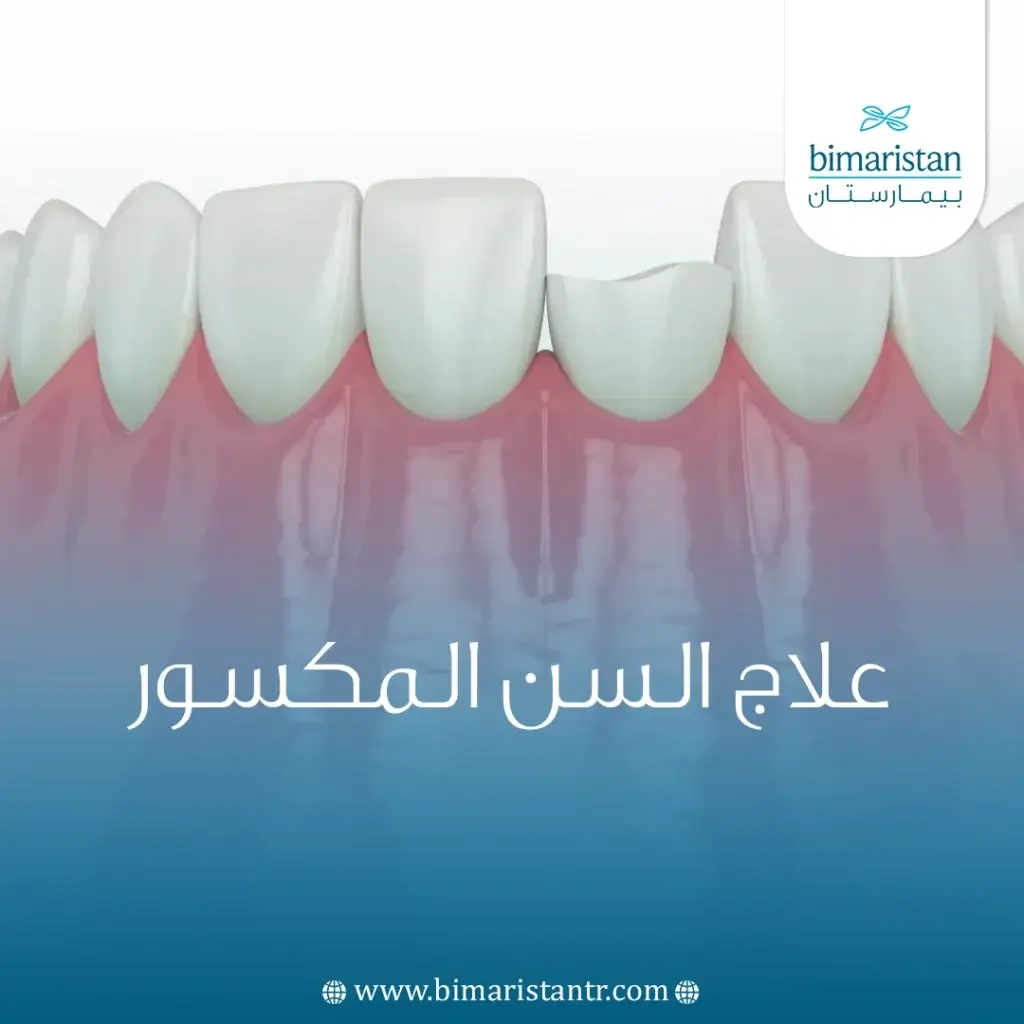
A tooth fracture is defined as a crack or break in the tooth’s structure, which may be partial or complete, and may involve the enamel or dentin or extend to the inner pulp. The severity of the fracture ranges from simple superficial fractures to deep fractures that affect the tooth’s nerve and function. Tooth fractures can be classified into several main types:
- Hairline cracks: Superficial cracks in the surface without obvious symptoms.
- Cavity fracture: This typically occurs around fillings and affects part of the tooth’s surface.
- Vertical fracture: It extends from the upper surface toward the root and may be deep.
- Tooth splitting: A tooth splits into two parts as a result of a longitudinal fracture.
- Vertical root fracture: It starts at the root and extends upward, often making it difficult to diagnose.
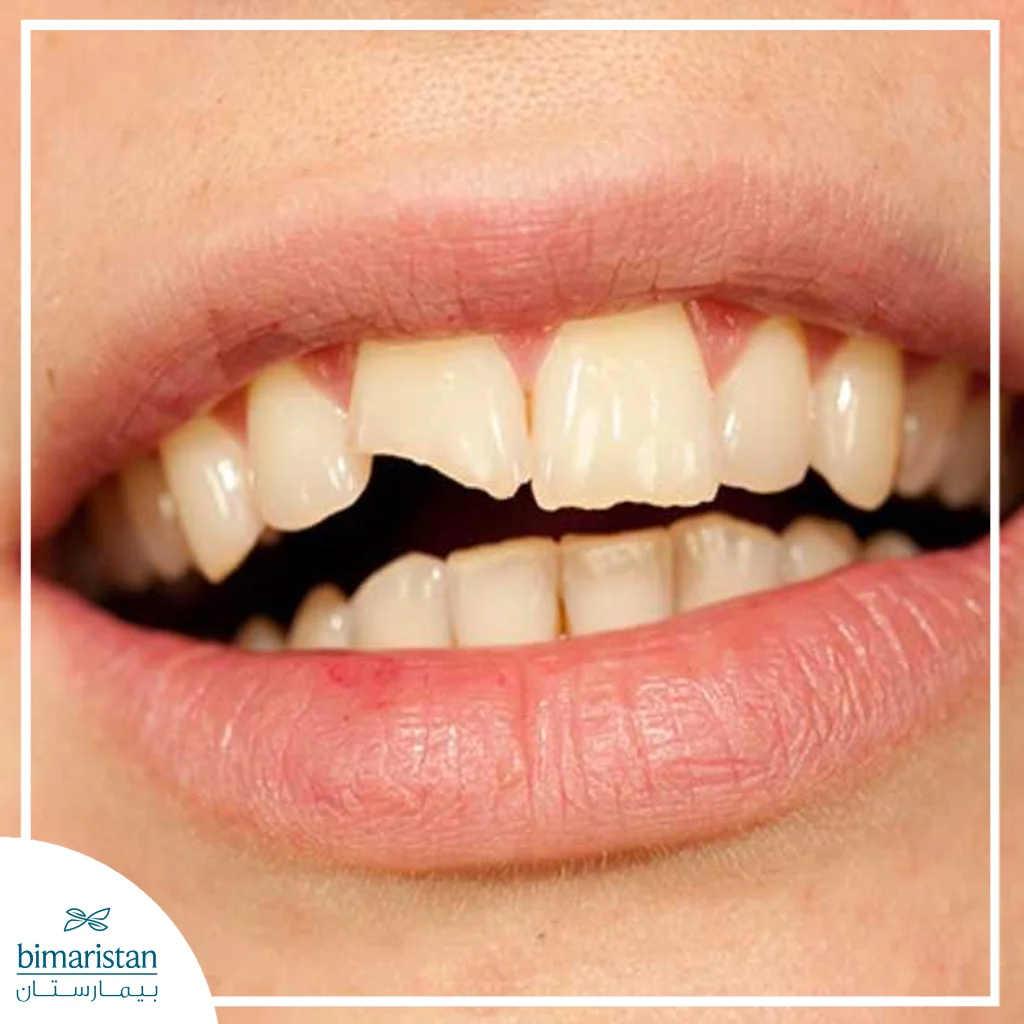
Causes and Risk Factors
Tooth fractures result from a variety of factors, the most notable of which are:
- Direct injuries to the mouth resulting from falls, sports accidents, or traffic accidents
- Eating hard foods such as ice, hard nuts, and hard candies
- Untreated tooth decay that weakens the inner layers of the tooth
- Teeth grinding that puts constant pressure on the teeth
- Using teeth for non-natural purposes, such as opening containers
- Large fillings weaken the tooth’s natural structure
- Aging, which increases tooth fragility
Symptoms
Symptoms vary depending on the severity and location of the fracture and include:
- Intermittent, variable pain
- Pain when chewing or biting
- Swelling of the gums surrounding the affected tooth
- Sensitivity to cold, hot, or sugary foods
- In some cases, there are no obvious symptoms
Diagnosis
The diagnosis is based on clinical examination and auxiliary tests, and includes:
- Assessment of Pain During Biting
- Comprehensive Oral and Dental Examination
- Using Light to Detect Microscopic Cracks
- X-ray imaging to evaluate the root and bone
- 3D CT Scanning as Needed
- Use special tools to accurately locate the fracture
Treatment for a Broken Tooth
Treatment for a broken tooth depends on the severity and location of the fracture. Available options include:
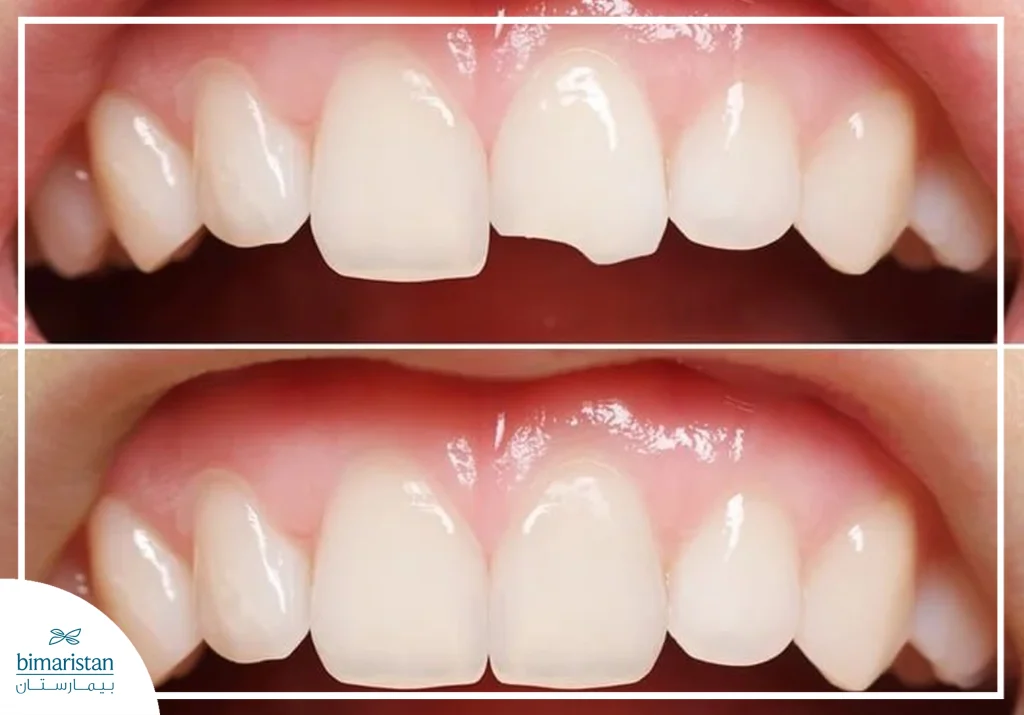
- Cosmetic composite fillings: for repairing minor fractures.
- Polishing and smoothing: For painless surface fractures.
- Root Canal Treatment: When the fracture reaches the nerve.
- Cosmetic veneers: To improve the appearance of simple anterior fractures.
- Porcelain Crowns: For protecting weak or moderately damaged teeth.
- Tooth Extraction and Implant Placement: In severe cases, where the tooth cannot be saved.
Early intervention is a key factor in preserving teeth and reducing the need for complex treatments later on.
Prevention
The risk of tooth fracture can be reduced by:
- Avoid biting into very hard foods
- Avoid using your teeth as a tool to open things
- Wearing a mouthguard while playing sports
- Treating Teeth Grinding with Night Guards
- Maintain good oral and dental hygiene on a regular basis
- Regular dental checkups for early detection
Complications
If a broken tooth is left untreated, complications may arise, such as:
- Complete tooth loss
- Increased pain intensity and sensitivity
- Progression of the infection within the dental pulp
- Spread of the infection to the gums or surrounding bone
- A negative impact on overall appearance and chewing function
The Cost of fractured tooth treatment
The cost of treating a broken tooth varies depending on the severity of the fracture and the type of treatment required (filling, crown, root canal, or extraction and implant), so the price is determined on a case-by-case basis after an examination. In general, approximate prices in Turkey can be summarized as follows:
| Type of Treatment | Approximate cost |
|---|---|
| Cosmetic Filler (Composite) | $50–$200 |
| A simple polish or reshape | $30–$100 |
| Root Canal Treatment | $100–$250 |
| Dental Crown (Zirconia or Porcelain) | $120–$300 per tooth |
| Cosmetic Veneers | $150–$350 per tooth |
| Tooth Extraction and Replacement with an Implant | $400–$1,000 per farm |
In conclusion, tooth fractures are a common condition that can be treated successfully if diagnosed and addressed promptly. The choice of appropriate treatment depends primarily on the fracture’s severity and location, ranging from simple fillings to crowns or dental implants in more complex cases. Adherence to preventive measures and daily oral care also plays an important role in reducing the likelihood of this problem occurring in the future.
Today, Turkey is considered one of the leading medical destinations for dental treatment and cosmetic dentistry, as it combines modern technology with affordable prices compared to many other countries, making it a popular choice for patients seeking high-quality care within a reasonable budget.
Sources: