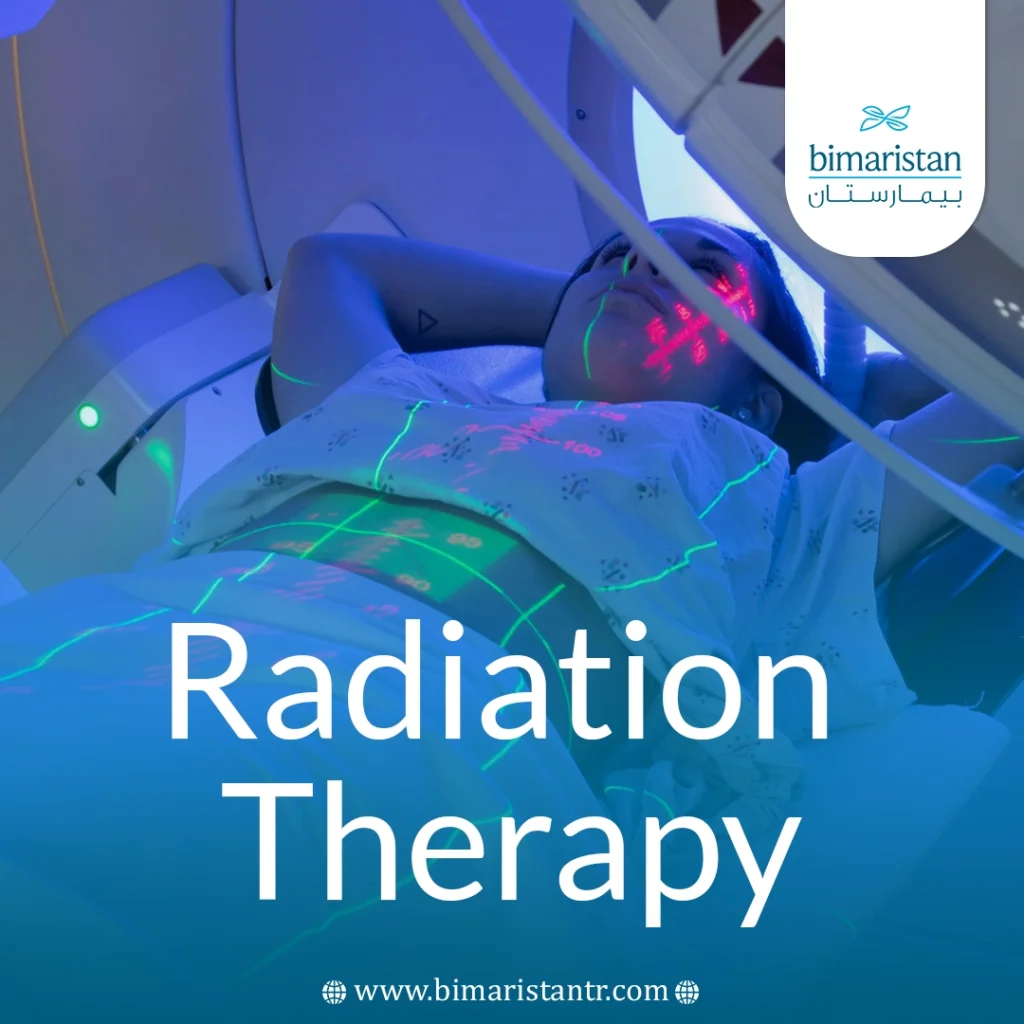
Radiation therapy remains a central approach in cancer treatment, using high‑energy beams to target and destroy malignant cells while stopping their growth and division. Radiation therapy can be used on its own or combined with chemotherapy or surgery, offering an effective option for many cancer types and helping improve disease control and overall quality of life.
What is radiation therapy?
Radiation therapy is a cancer treatment that uses focused beams of energy to destroy cancer cells. X-rays are often used for this treatment, but other types of therapy, such as proton beam therapy, are also available.
Radiation therapy techniques have evolved in recent years to become more precise, allowing beams to be directed directly at the tumor while minimizing their impact on surrounding healthy tissue. The treatment works by destroying the genetic material within cells, which is responsible for their growth and division. Although some healthy cells may be affected during treatment, they often have a higher capacity to repair themselves than cancer cells. Thus, radiation therapy aims to eliminate the cancer while preserving as much of the healthy tissue as possible.
Types of radiation therapy
There are two main types of radiation therapy, comprising external beam radiation therapy and internal radiation therapy.
External beam radiation therapy
Radiation therapy remains a central approach in cancer treatment, using high‑energy beams to target and destroy malignant cells while stopping their growth and division. Radiation therapy can be used on its own or combined with chemotherapy or surgery, offering an effective option for many cancer types and helping improve disease control and overall quality of life.
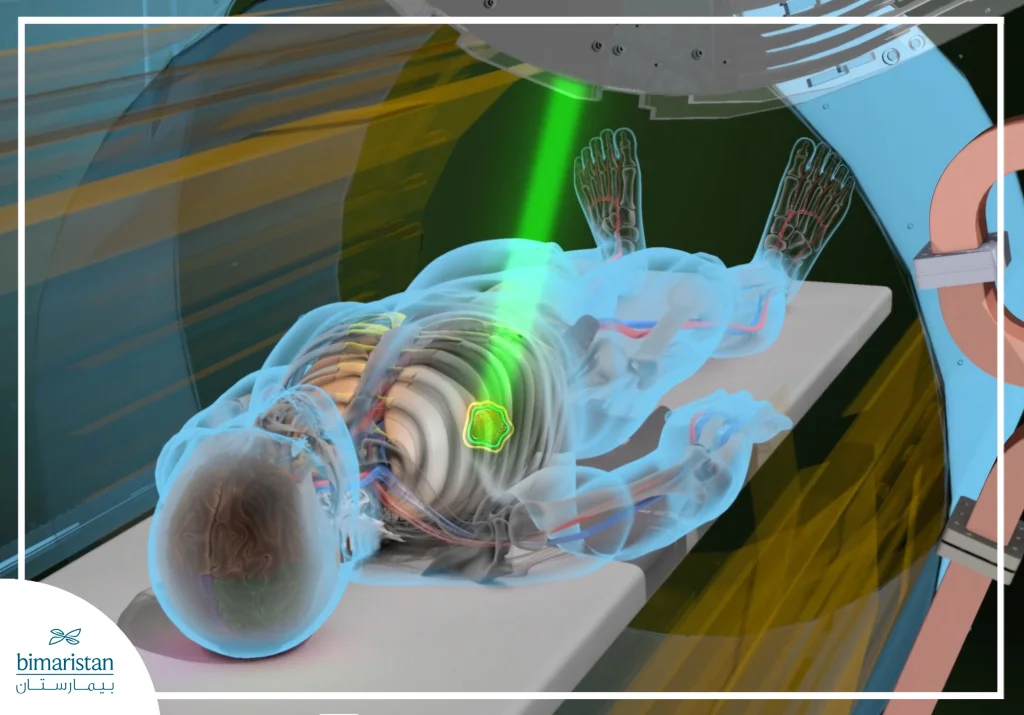
External beam radiation therapy is of several types:
- 3D conformal radiation therapy: Uses CT scans and computer software to create a 3-D model of the tumor. Using this model as a guide, the machine directs radiation beams to target the cancer site while sparing healthy tissue.
- Intensity modulated radiation therapy (IMRT): A more advanced form of radiation therapy. IMRT uses many beams of radiation that vary in dose intensity. It delivers a higher dose of radiation to the tumor and lower doses to healthy tissue.
- Arc-based radiotherapy: A form of IMRT. Variable intensity energy beams are directed in a rotating arc pattern. This method delivers radiation faster than traditional IMRT. Volume Modulated Arc Therapy (VMAT) and TomoTherapy are two types of this treatment.
- Image-guided radiation therapy (IGRT): A form of EBRT, where the radiation machine gets a low-dose X-ray or CT scan before each treatment session. This image helps align the treatment site, resulting in more precise delivery of radiation.
- Particle therapy: Uses radiation consisting of protons instead of photons (X-rays). For some people, protons can deliver the same dose of radiation to the tumor while reducing the dose to healthy tissue.
- Stereotactic radiosurgery: Like Gamma Knife surgery, it uses high doses of focused radiation to destroy small brain tumors with surgical precision. Unlike surgery, it does not require an incision. This treatment usually takes one to five days.
- Stereotactic body radiation therapy (SBRT): Uses high doses of focused radiation to destroy tumors outside the brain. Like stereotactic radiosurgery, it eliminates tumors with surgical precision but without actual surgery.
- Intraoperative radiation therapy (IORT): Radiation is delivered during surgery. After the tumor is surgically removed, IORT destroys any remaining cancer cells that can’t be safely removed surgically.
Brachytherapy
Brachytherapy aims to place radiation inside the body near cancer cells to precisely target tumors. It is mainly used to treat smaller tumors in the head, neck, breast, cervix, uterus, or prostate, and a patient can receive brachytherapy in several ways, including via a solid or liquid source:
- Brachytherapy: A solid radiation source, or seed, is implanted inside or next to the tumor. The source shoots radiation over a small area to kill cancer cells. Some implants release low doses over longer periods (weeks). Others may release high doses for shorter periods (minutes). Other implants stay in the body forever and continue to release radiation until they stop working.
- Systemic therapy: Uses liquid radioactive material sent through the bloodstream to reach and destroy cancer cells. Some radioactive material may be swallowed, while others are given intravenously (IV).
Radioisotope therapy
It is a form of systemic radiation therapy that precisely targets cancer cells using antibodies. In this approach, a radioactive isotope is linked to a monoclonal antibody that recognizes receptors or antigens on the surface of cancer cells. Once this compound is injected into the bloodstream, it binds to cancer cells and delivers radiation directly to them, damaging their DNA. This method allows a high radiation dose to be directed at the tumor while minimizing exposure to surrounding healthy tissue.
Indications for radiation therapy
A patient may receive radiation therapy for different reasons, either to destroy the tumor or to relieve symptoms.
Tumor destruction and cancer treatment
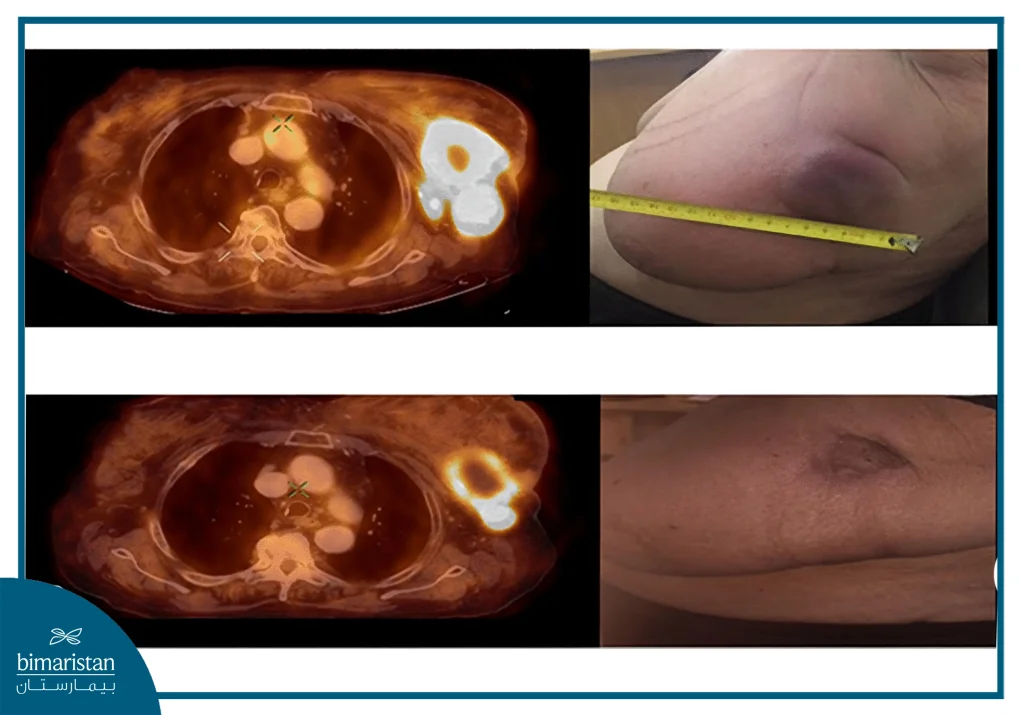
- This is sometimes called radical therapy. You may receive radiation therapy alone or sometimes in combination with chemotherapy, known as chemoradiation. Other treatments may also be given with radiation as part of a clinical trial.
- In some types of cancer, radiation therapy may be given after surgery to reduce the risk of cancer recurrence, known as adjuvant radiotherapy.
- Sometimes radiation therapy is given before surgery to make the tumor smaller and easier to remove, known as neo-adjuvant radiotherapy.
Symptomatic treatment (palliative therapy)
If curing the cancer is not possible, the patient may receive palliative radiation therapy. This approach helps control cancer‑related symptoms and may sometimes contribute to reducing tumor size. For example, palliative radiation therapy may be used to:
- Control pain caused by the spread of cancer to the bones.
- Controlling bleeding caused by some types of tumors.
- Reduce coughing caused by lung cancer.
How to prepare for radiation therapy sessions
Preparation follows several steps.
What happens before treatment?
In Brachytherapy, a clinical examination and imaging studies may be required to precisely identify the tumor’s location. The radiation oncologist explains the preparation steps before the procedure, depending on the technique used to deliver the radiation. In external beam radiation therapy (EBRT), a dedicated appointment called simulation is performed. This is the main planning stage, during which a customized treatment plan is created. Simulation typically includes:
- Positioning: The patient is placed on the treatment table in the exact position that will be used during therapy. Immobilization devices or special masks may be used to maintain stability and ensure accurate alignment during each session. Temporary or permanent skin marks (small dots) may be added to identify the precise areas that must receive radiation.
- Imaging: A computed tomography (CT) scan or magnetic resonance imaging (MRI) is performed to determine the exact location and dimensions of the tumor. These images are used to plan the radiation fields and guide the dose so that only cancer cells are targeted while sparing surrounding healthy tissue.
- Simulation stage: This phase allows the radiation oncology team to determine the appropriate radiation dose and delivery method to achieve the best possible balance between treatment effectiveness and healthy tissue safety.
What happens during treatment?
Brachytherapy is usually performed in a designated room within the hospital or outpatient treatment unit. The radiation oncologist inserts the radioactive implant into the tumor site using a fine, flexible catheter. The procedure is performed under local or general anesthesia to prevent pain or discomfort. In systemic internal radiation therapy, a radioactive liquid is administered intravenously, allowing it to circulate through the bloodstream and target cancer cells throughout the body.
In contrast, external beam radiation therapy (EBRT) is delivered while the patient lies on the treatment table in the same position used during simulation. The radiation machine moves around the body without making contact. A radiation therapist operates the device from a separate room, with direct voice communication available through an intercom system. The radiation is precisely directed at the tumor from multiple angles to achieve optimal coverage while minimizing exposure to healthy tissue. The patient feels no pain during radiation delivery.
Number of sessions and duration of radiation therapy
- External beam radiation therapy is usually done five days a week over several weeks.
- Some types may be given within 1 to 2 weeks, depending on the type of cancer and the patient’s condition.
- In some cases, especially to relieve pain or symptoms in advanced cancer, only one session may be given.
- Each session lasts approximately 10 to 30 minutes, with most of the time devoted to correct body positioning.
What happens during a radiation therapy session
- The patient lies on the table in the same position that was determined during the planning or simulation phase, to ensure that the radiation is accurately directed to the target area.
- The radiation therapy team uses a device known as a linear accelerator to generate high-energy radiation beams that are directed at the tumor from multiple angles without any contact with the body.
- Stabilizing molds or special masks may be used to maintain a steady posture throughout the session and prevent any movement that affects the accuracy of the treatment.
- During operation, the device emits a slight buzzing sound and may rotate around the body to reach the optimal angle to target the tumor with millimeter accuracy.
- The treatment team remains in an adjacent room to monitor the session via audio and visual communication systems that allow for constant communication.
- Radiation therapy does not cause pain, but any discomfort or anxiety should be reported immediately to the team to adjust the position or temporarily stop the procedure.
The difference between short and long sessions
- Longer sessions (several weeks): Spread over consecutive days, with breaks to allow healthy tissues to recover, and aim for a curative treatment of cancer.
- Short sessions (1-2 weeks or one session): Often used to relieve pain or control symptoms in cases of advanced cancer, they focus on palliation rather than radical treatment.
Side effects of radiation therapy
The patient may or may not experience side effects, depending on the part of the body being irradiated and the dose used. If side effects do occur, they can be managed during treatment with appropriate medical supervision, and these effects usually disappear gradually after treatment is completed.
| The part of the body being treated | Common side effects |
|---|---|
| Any part | Hair loss at the treatment site (sometimes permanent), skin irritation, fatigue |
| Head and neck | Dry mouth, sticky saliva, difficulty swallowing, sore throat, changes in taste, nausea, mouth sores, tooth decay |
| Chest | Difficulty swallowing, coughing, shortness of breath |
| abdomen | Nausea, vomiting, and diarrhea |
| pelvis | Diarrhea, bladder irritation, frequent urination, and sexual dysfunction |
Advantages of radiation therapy
Radiation therapy has multiple advantages, including:
- Effective for treating cancer: It uses high doses of radiation to kill cancer cells and shrink tumors.
- Reduce tumor size: It can make it easier to surgically remove the tumor or relieve tumor-related symptoms.
- Advanced accuracy: Directing radiation precisely at the tumor minimizes damage to healthy tissue.
- Flexibility of use: It can be used as a primary treatment, as an adjunct after surgery, or to relieve symptoms in advanced cases.
Disadvantages of radiation therapy
Common disadvantages of radiation therapy include:
- Possible side effects: These include fatigue, hair loss at the treatment site, skin irritation, and nausea, depending on the type and location of the tumor.
- The need for multiple sessions: Treatment often lasts several weeks, which can affect your daily lifestyle.
- Long-term side effects: May appear years later, such as issues with the treated tissue or the risk of developing a secondary cancer.
Recovery period after radiation therapy
After brachytherapy, patients are usually allowed to return home the same day, provided they have a short recovery period, except in cases requiring temporary hospitalization until the body clears the small residual amounts of radiation. In systemic radiation therapy administered intravenously, small amounts of radiation may be excreted through body fluids such as sweat, urine, or blood for a limited time.
When a permanent radioactive implant or intravenous radioactive treatment is used, there may be a slight risk of exposing others to radiation. It is therefore essential to follow the radiation therapy team’s instructions regarding temporary isolation and the permitted level of contact with others. In external beam radiation therapy (EBRT), no radiation remains in the body after each session, and the patient can safely resume normal daily activities without posing any risk to others.
Patient guidance during radiation therapy
The following recommendations are advised during radiation therapy:
- Skin care: Avoid direct sun exposure, use protective clothing and appropriate moisturizers, and avoid harsh soaps or chemicals.
- Diet: Eat foods rich in vitamins, minerals, and protein, and avoid fatty and fried foods and carbonated drinks.
- Psychological support: Seek counseling or join support groups, and participate in relaxing activities such as meditation or yoga.
These measures help reduce side effects and support recovery during radiation therapy.
Radiation therapy is one of the essential pillars of cancer treatment. It helps shrink tumors and destroy cancer cells with precision while preserving healthy tissues as much as possible. Consulting a physician is crucial to determine the most appropriate treatment plan for each case and to achieve the best possible outcomes with minimal side effects.
Sources:
- National Cancer Institute. (n.d.). Radiation therapy (PDQ®)-Patient version. Retrieved October 1, 2025
- StatPearls Publishing. (2024). Adverse effects of radiation therapy. In StatPearls (online). Retrieved October 1, 2025